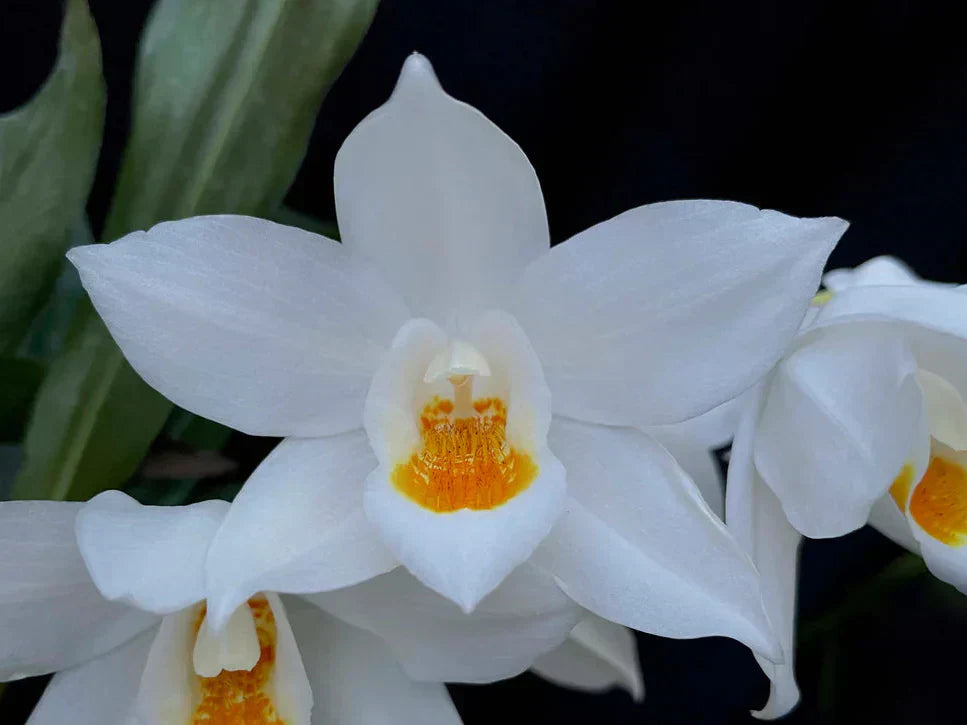
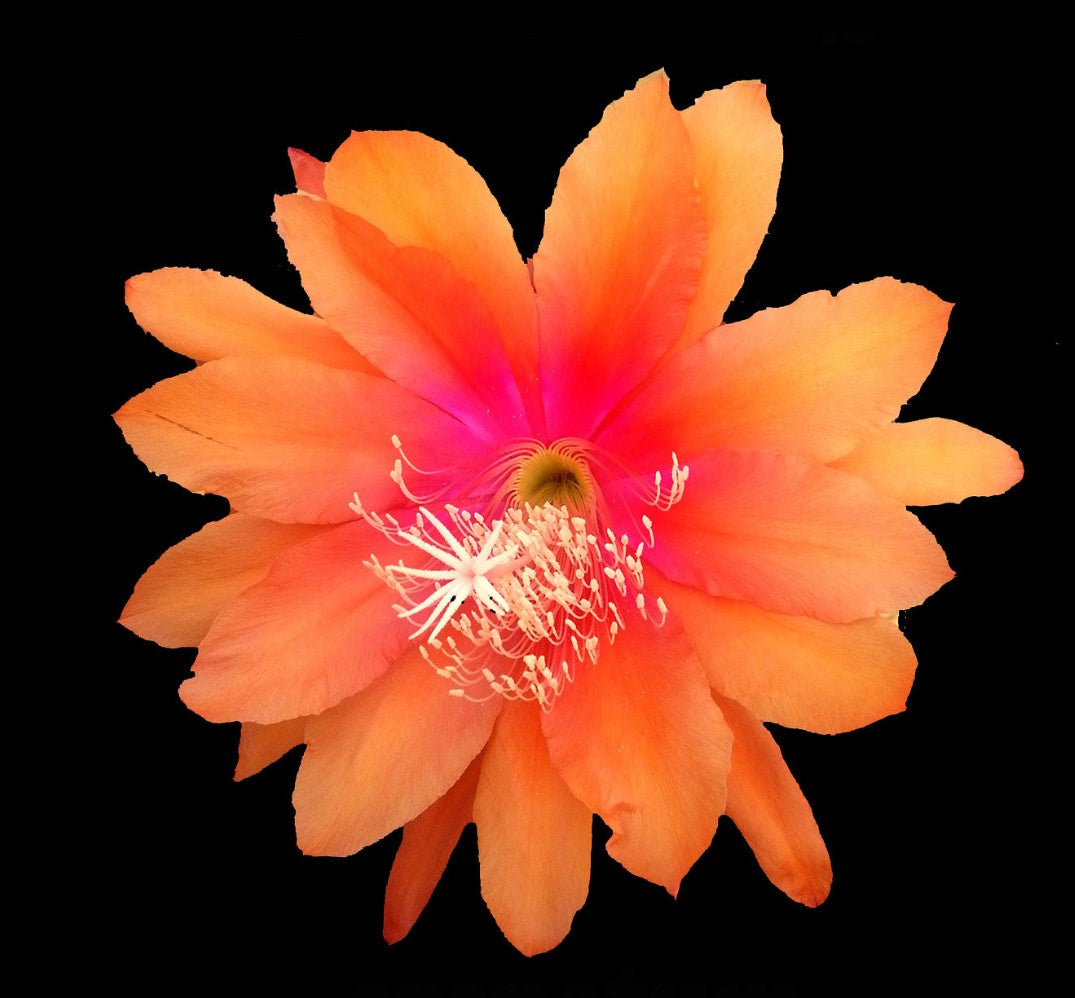
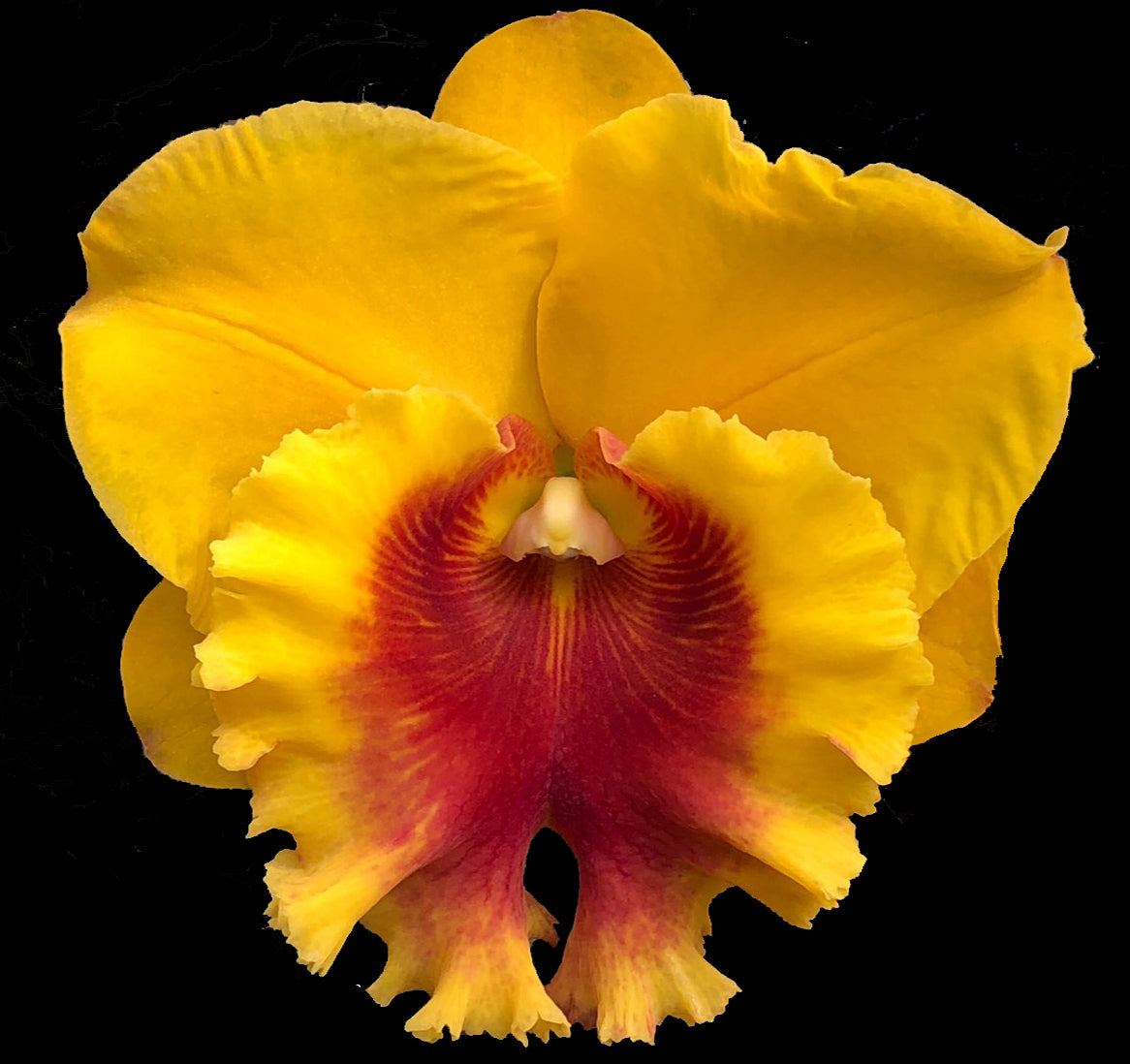
Australia’s climate can be variable, but Cymbidium orchids are resilient plants that adapt well to temperate conditions. They tolerate cooler nights and warmer days, which makes them reliable performers in many regions. Their flowers appear in a wide range of colours, including soft pastels, yellows, and deep reds, and can last for several weeks once open.

Position and Growing Environment
Light
Cymbidiums prefer bright, indirect light. Dappled sunlight or a position with filtered light works well. Direct afternoon sun can scorch the leaves, so some protection is beneficial, especially in warmer months.
Temperature
Cool night temperatures are important for flowering. A noticeable drop between day and night temperatures helps initiate flower spikes. Indoors, placing plants near a window where they experience cooler evening air can assist with this process.
Watering
Cymbidiums like consistent moisture during active growth but do not tolerate waterlogged conditions.
-
Spring and summer: Water regularly, keeping the potting mix evenly moist but not saturated.
-
Autumn and winter: Reduce watering slightly, allowing the mix to dry more between waterings.
Excess water around the roots is a common cause of decline, so drainage is essential.
Feeding
During the growing season, Cymbidiums benefit from regular feeding. Apply a balanced orchid fertiliser every two weeks in spring and summer. Reduce feeding to once a month during cooler months when growth slows. Seaweed-based fertilisers can be used as a gentle supplement.
Repotting
Repotting is usually required every two to three years, or when the potting mix breaks down.
-
Use a coarse, free-draining orchid mix
-
Select a pot only slightly larger than the existing one
-
Remove dead or damaged roots before repotting
Cymbidiums prefer to be slightly pot-bound, so avoid over-potting.
Common Issues
-
Yellowing leaves: Often caused by excessive water or too much direct sun
-
Lack of flowers: May indicate insufficient light or inadequate night-time temperature drop
-
Pests: Aphids, scale insects, and spider mites can occur and should be treated promptly
Final Notes
Cymbidium orchids are relatively forgiving and well suited to temperate conditions. With appropriate light, careful watering, and seasonal temperature changes, they can flower reliably year after year and become long-lived specimens in a collection.