







cancel Sold out
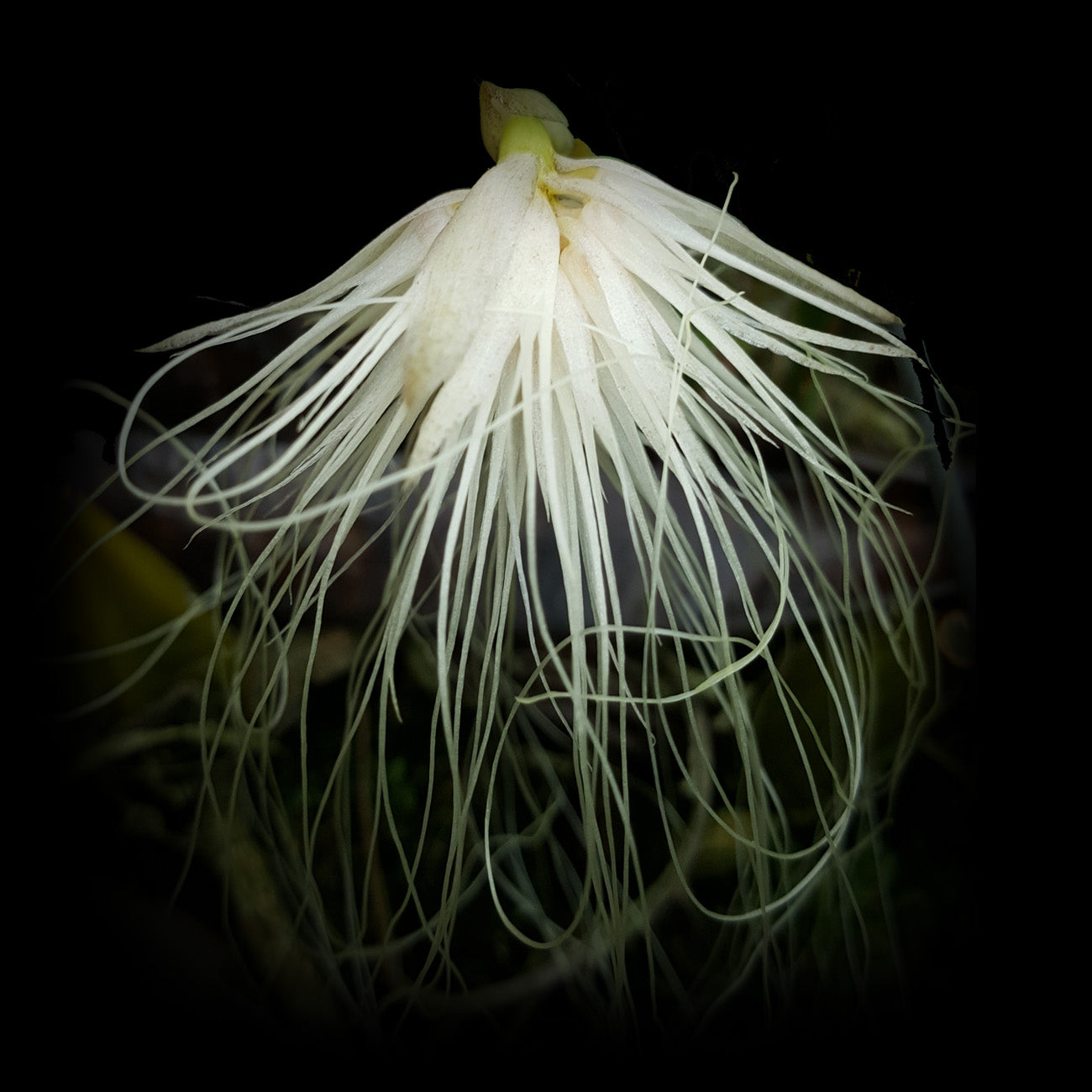
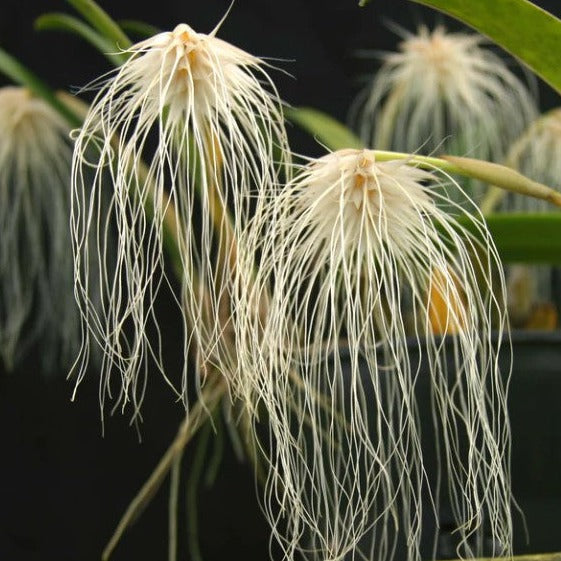
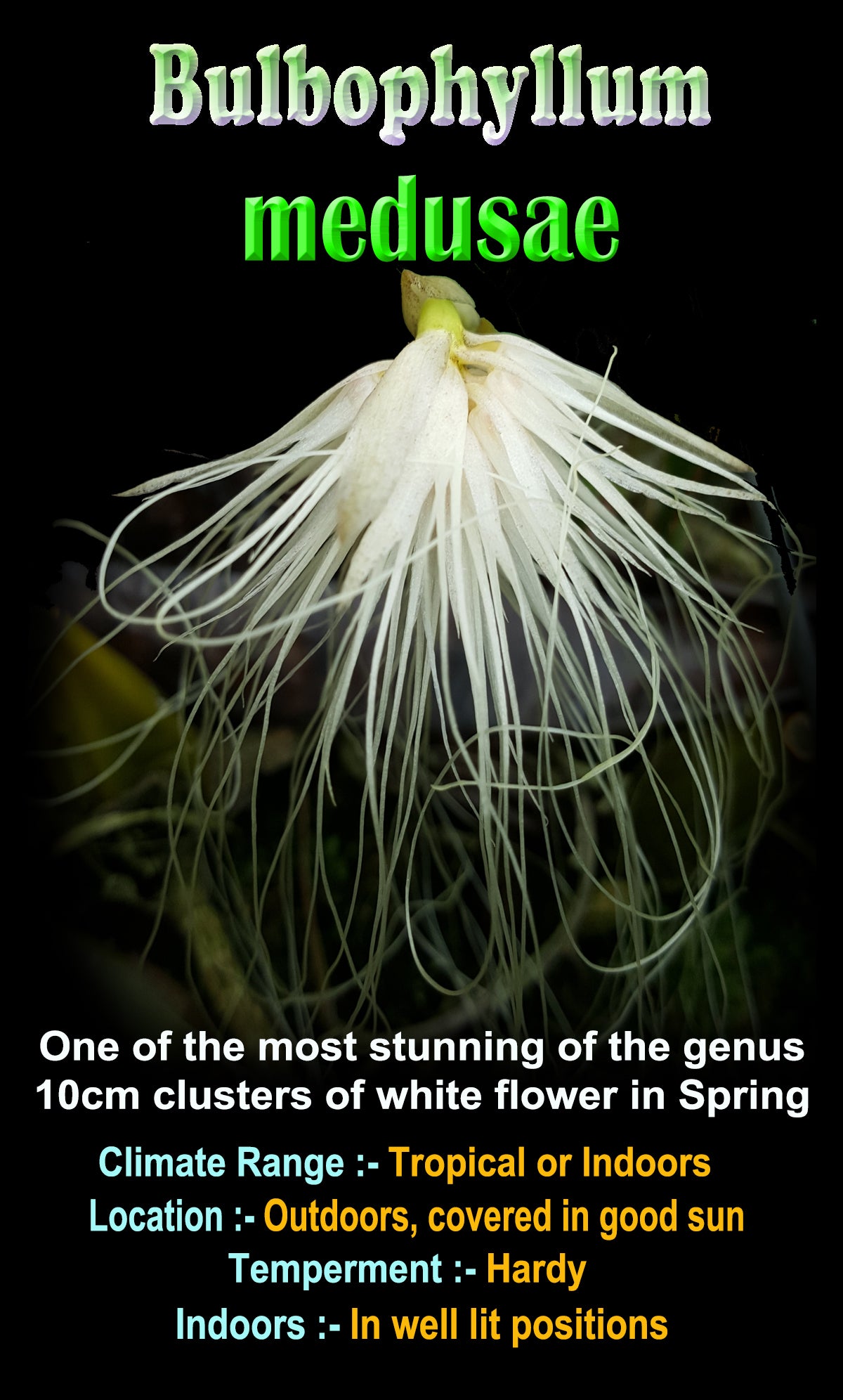
Bulbophyllum medusae, commonly referred to as the Medusa Orchid, is distributed across peninsular Thailand, Malaysia, Sumatra, and Borneo. It inhabits humid lowland and hill forests, usually at elevations between 300–1,200 m. The plant produces small pseudobulbs spaced along a creeping rhizome, each bearing a single leaf. Its most distinctive feature is the umbel-like inflorescence: dozens of flowers with long, thread-like sepals that cascade outward in all directions, forming a striking resemblance to Medusa’s mythological hair. Flowers are typically white to cream, occasionally tinged with yellow, and are adapted to attract fly pollinators. This unusual floral form makes it one of the most recognisable species in the genus.
Shipping and Biosecurity Information
expand_moreDispatch:
Orders are processed in scheduled weekly runs.
VIC, QLD, NSW, SA & ACT: Sunday 11:59 pm cut-off. Orders are generally prepared from Monday and dispatched by Thursday. Allow up to 9 working days for processing.
WA, TAS & NT: Thursday 11:59 pm cut-off for Friday treatment. Orders are generally prepared from Monday and dispatched by Thursday. Allow up to 10 working days for treatment, certification and processing.
Dispatch dates are not guaranteed and may be affected by biosecurity requirements, weather, public holidays, order volumes and plant preparation.
Express Shipping speeds up transit after dispatch only. It does not speed up processing, treatment or certification.
Biosecurity Fees:
Fees are included at checkout and help cover mandatory plant treatment and health certification.
Important:
Where certification is required, a physical address must be supplied for traceability. Delivery to a PO Box is still allowed.
Collectors Online operates independently from Collectors Corner.
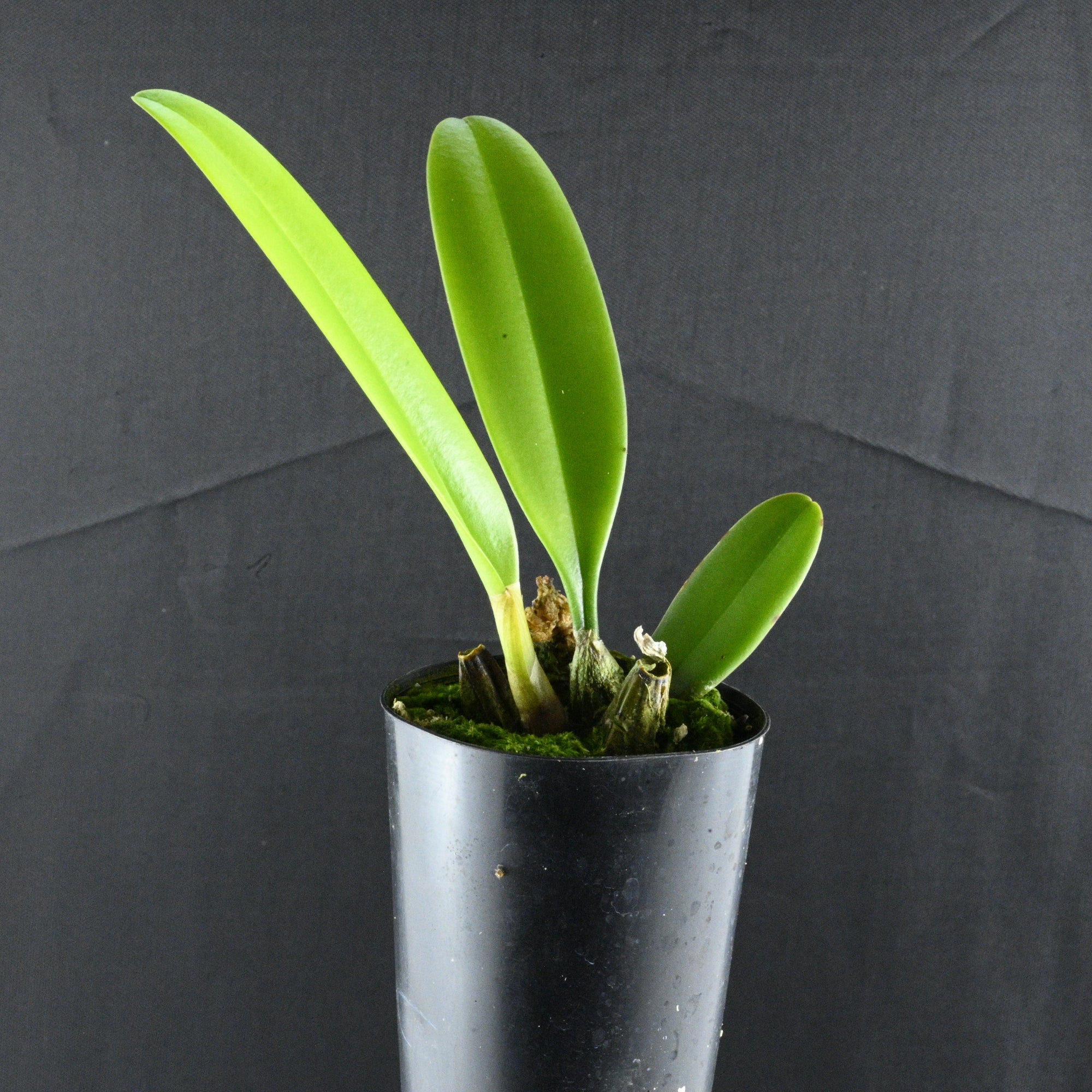
Size: 50mm pot
Be the first to know about new collections and exclusive offers.