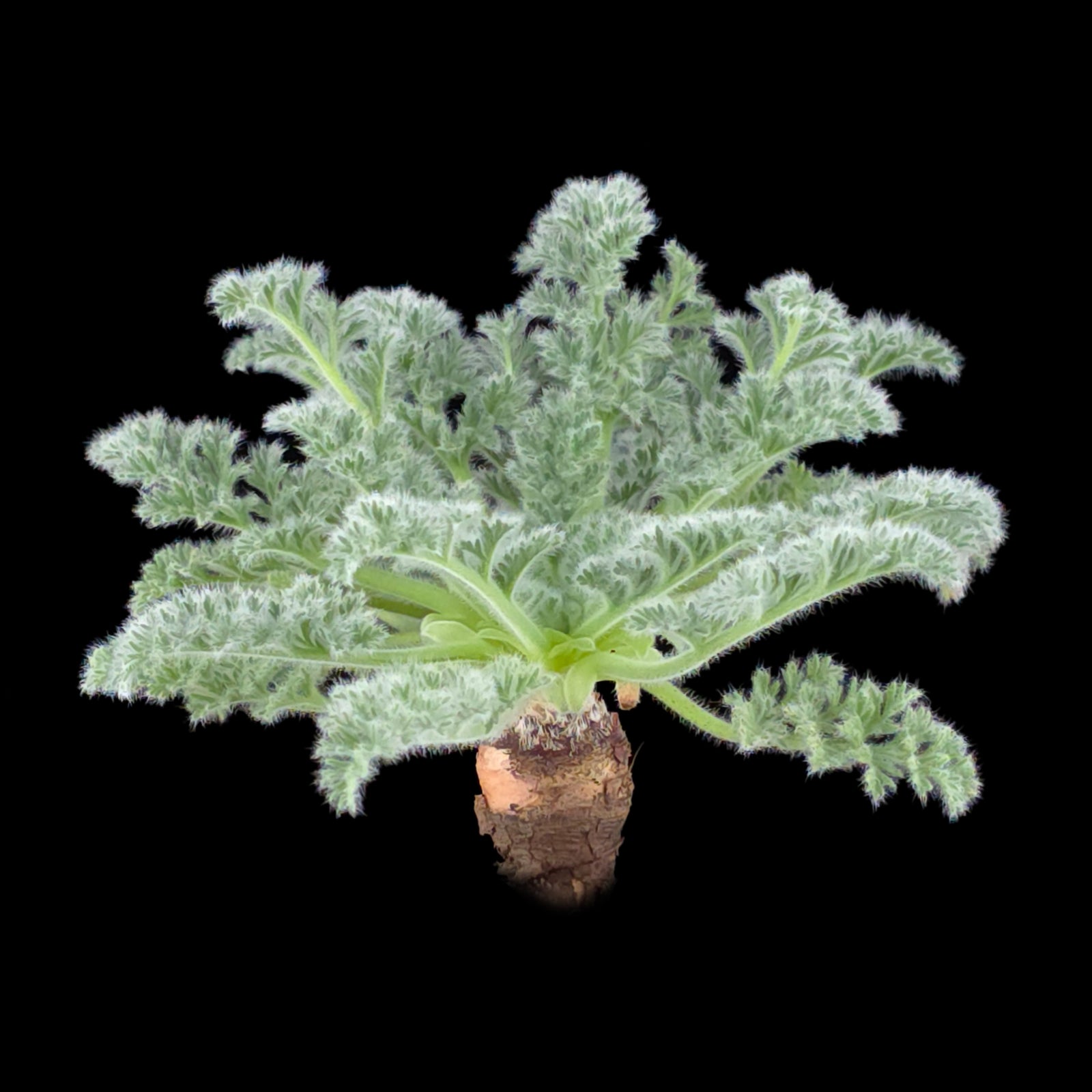
Pelargonium appendiculatum Care Guide
Pelargonium appendiculatum is not difficult to grow, but it is often grown incorrectly.
Most issues with this species come down to one point: it is a winter-growing plant. Once that is understood, everything else becomes straightforward.
Key takeaway: Pelargonium appendiculatum is a winter-growing species. Water during the cool months, reduce sharply in summer, and do not mistake dormancy for decline.
What is Pelargonium appendiculatum?
Pelargonium appendiculatum is a caudiciform species from South Africa, adapted to a Mediterranean-type climate with cool, wet winters and hot, dry summers.
Over time, it develops a swollen, woody base (caudex) that stores water, supporting a crown of finely divided, softly textured leaves. While the foliage appears delicate, the plant itself is resilient when grown in line with its natural cycle.
Growth Cycle (This Matters Most)
This species is a winter grower. Its growth cycle defines how it should be watered, positioned, and managed through the year.
- Autumn to Spring: Active growth
- Late Spring to Summer: Dormancy
As temperatures cool, the plant produces new foliage and begins active growth. This continues through winter and early spring.
As temperatures rise, growth slows, leaves may yellow and drop, and the plant retreats into dormancy. This is normal. It often looks like decline, but it is not.
Most problems occur when this cycle is ignored. This is usually not a care issue, but a timing issue.
Light
Bright light is required throughout the year, but intensity should match the season.
- Winter (active growth): Full sun to very bright light
- Summer (dormancy): Bright, with protection from extreme heat
In active growth, strong light produces compact, well-formed plants. During dormancy, excessive heat combined with strong sun can cause unnecessary stress.
Watering (Where Most Growers Go Wrong)
Watering must follow the growth cycle. This is the single most important factor in successfully growing this species.
During active growth (autumn to spring):
- Water thoroughly, then allow the mix to dry slightly before watering again
- Do not keep constantly wet, but do not leave the plant dry for extended periods
At this stage, the plant is actively using water. Underwatering during winter will slow growth and reduce overall vigour.
During dormancy (late spring to summer):
- Reduce watering significantly
- Allow the mix to dry more completely between light waterings
- Keep just enough moisture to prevent the caudex from fully desiccating
This is where most growers come unstuck. It often looks like the plant needs help at this point — it doesn’t.
The plant is not trying to grow in summer, and excess water at this stage often leads to rot. It is usually not a lack of water that causes problems, but too much at the wrong time.
Potting Mix
A fast-draining mix is essential.
- 50–70% mineral component (pumice, scoria, perlite)
- 30–50% organic component (quality potting mix or composted bark)
The aim is a mix that dries predictably and does not hold excess moisture around the caudex.
Temperature
Pelargonium appendiculatum prefers cool to mild conditions during its growing season.
- Active growth: 5–20°C is ideal
- Dormancy: Tolerates heat, but benefits from airflow and protection from extremes
Frost should be avoided, particularly for potted plants.
Flowering
The flowers are understated but distinctive.
Pale cream to soft yellow petals are marked with deep red or maroon streaking. They are not large, but reward close inspection.
Flowering typically occurs during the active growing period on established plants.
Common Problems
- Overwatering in summer: The most common cause of loss
- Underwatering in winter: Reduced growth and poor plant development
- Dense potting mix: Leads to retained moisture and root issues
In most cases, problems are not caused by disease, but by mistiming care relative to the plant’s growth cycle.
Final Notes
This is a plant that improves with time. The caudex thickens, structure develops, and the plant becomes more stable with each growing season.
It does not require constant attention, but it does require consistency. Once its seasonal rhythm is understood, it becomes a reliable and rewarding species to grow.
Availability
If you are looking to add this species to your collection, plants are available here: