Understanding Yellowing in Indoor Ferns
Yellowing is a common issue in indoor ferns, but unlike browning, it is usually linked to problems within the root zone rather than the surrounding air.
While browning tends to reflect moisture loss and environmental stress, yellowing is more often associated with excess moisture, poor drainage, or reduced root function.
Excess Moisture
The most frequent cause of yellowing in ferns is consistently wet soil.
When the growing medium remains saturated, roots are deprived of oxygen. Over time, this reduces their ability to take up water and nutrients, leading to gradual yellowing of the foliage.
Plants such as Nephrolepis exaltata ‘Emina’ often show soft, widespread yellowing when kept too wet for extended periods.
Poor Drainage and Compacted Media
Even when watering is controlled, a dense or compacted growing medium can hold excess moisture around the roots.
This creates similar conditions to overwatering, where the root system remains constantly wet and begins to decline.
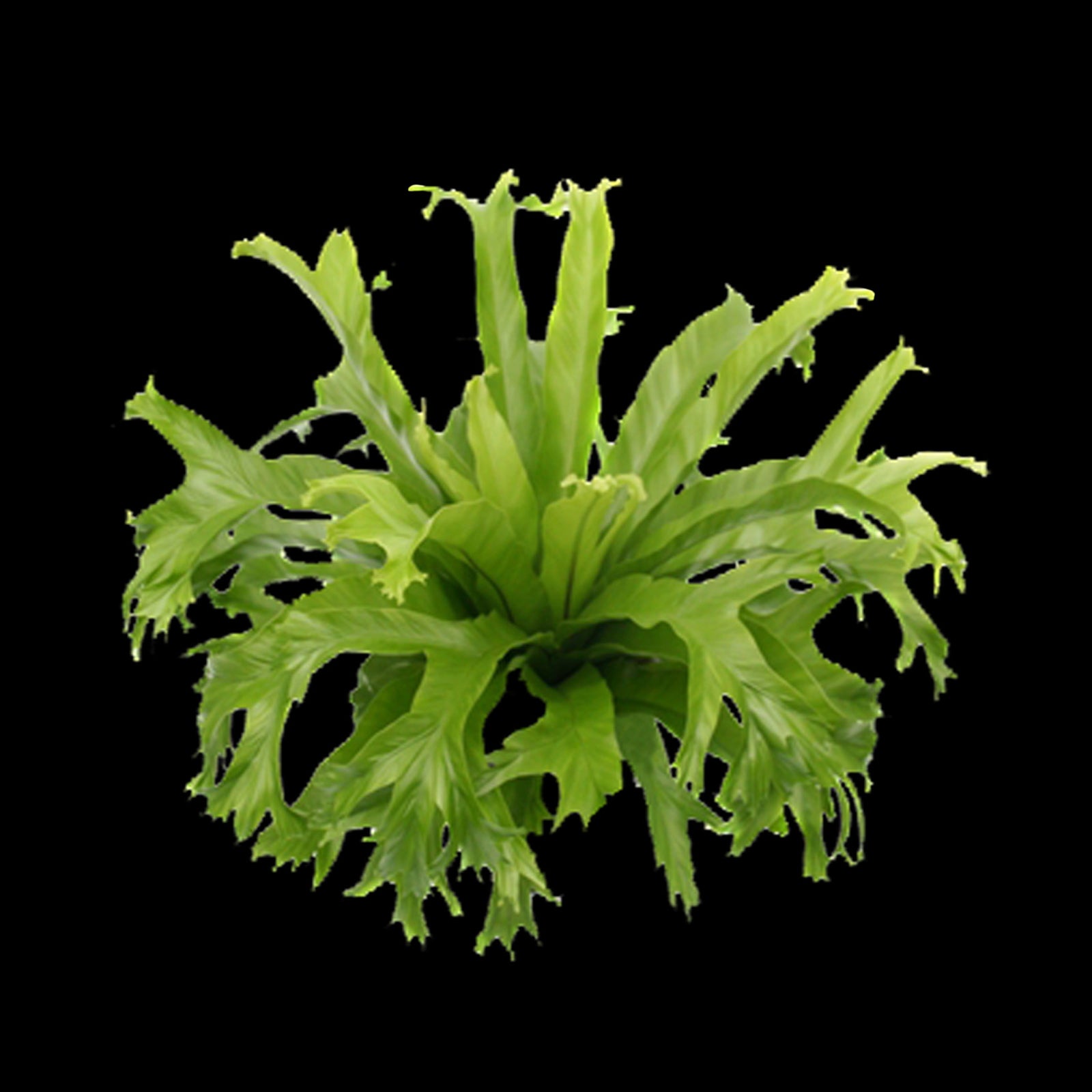
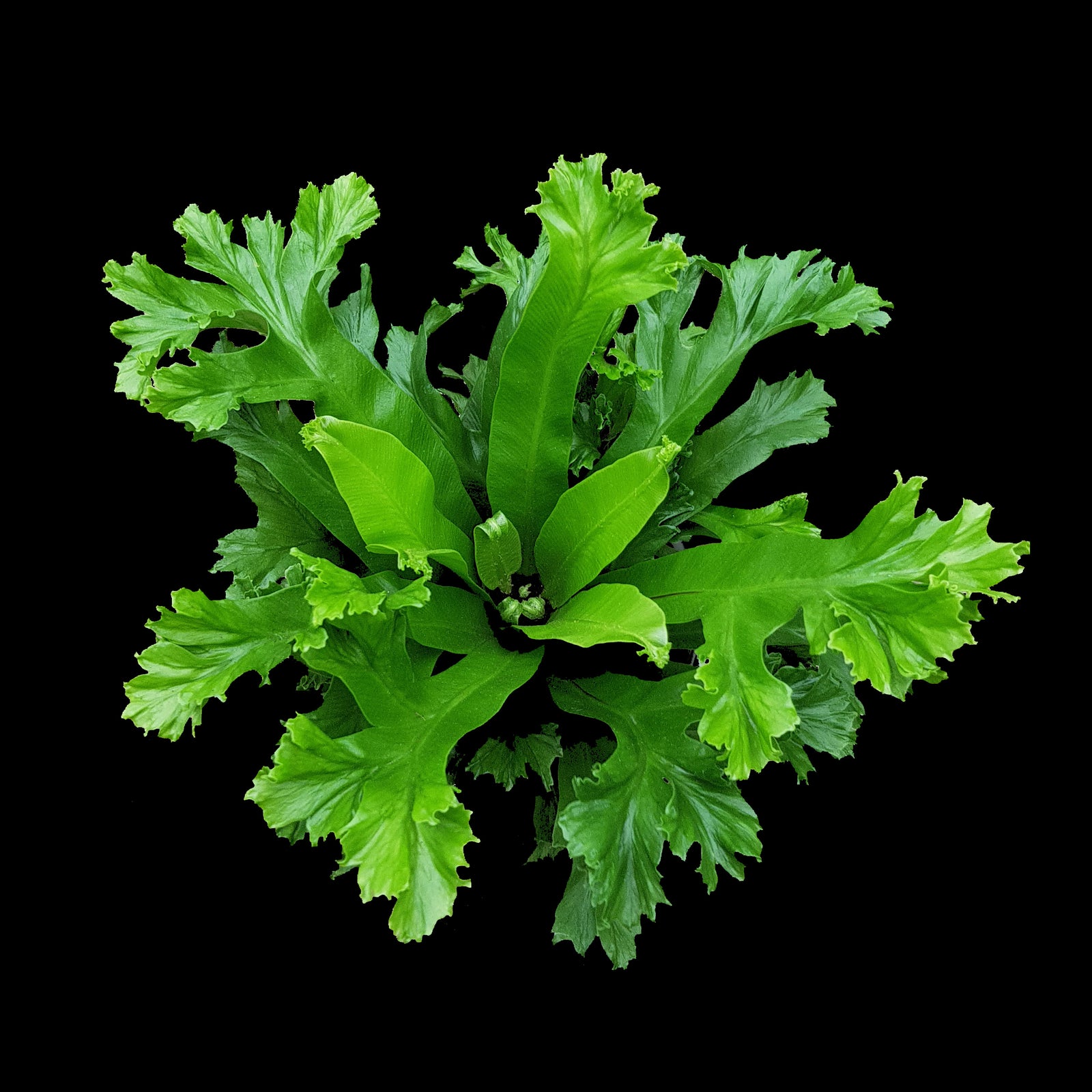
Ferns such as Asplenium antiquum ‘Crissie’ often show yellowing alongside reduced vigour when grown in poorly structured media.
Low Light
Ferns tolerate lower light than many indoor plants, but insufficient light reduces their ability to maintain healthy growth.
In low light conditions, older fronds may begin to yellow and die back as the plant reallocates resources to newer growth.
Broader, upright forms such as Asplenium antiquum ‘Leslie’ often show gradual fading and yellowing when light levels are too low.
Nutrient Depletion
Over time, nutrients in the growing medium can become depleted, particularly in actively growing plants.
This often presents as a general pale or yellow appearance rather than localised damage.
Dense, finely divided ferns such as Nephrolepis exaltata ‘Fluffy Ruffles’ may show this as an overall loss of colour and vigour.
Natural Ageing
Not all yellowing is a sign of poor care.
Older fronds naturally yellow and are replaced over time. This typically affects the oldest growth first, while new growth remains healthy.
When yellowing is limited to older foliage, and the rest of the plant is growing well, it is usually part of the normal cycle.
How to Correct Yellowing
Correcting yellowing involves addressing root conditions and environmental balance.
- Allow the growing medium to approach dryness between watering
- Ensure the mix remains open and well-draining
- Provide sufficient indirect light for steady growth
- Review feeding if long-term growth has depleted nutrients
Improvement will be visible in new growth. Yellowed fronds will not return to green.
Summary
Yellowing in indoor ferns is usually linked to excess moisture, poor drainage, or reduced light.
Unlike browning, which reflects external stress, yellowing often indicates issues below the surface. Addressing root health and environmental balance is key to recovery.
For general growing conditions, see our Fern Care Guide.