Understanding Rot in Terrarium Environments
Rot is one of the most common issues in terrariums, particularly in enclosed systems. It is often attributed to overwatering, but this is only part of the cause.
In most cases, rot is the result of imbalance between moisture, airflow, and plant selection.
Moisture Does Not Leave
In a closed or semi-enclosed terrarium, water does not behave the same way it does in a pot.
Moisture is retained, recycled, and redistributed within the system. Once added, it remains for extended periods.
This means that even small amounts of excess water can accumulate over time, creating conditions that are consistently too wet.
Airflow Is Limited
Terrariums, by design, reduce airflow. While this supports humidity, it also slows evaporation and gas exchange.
In stagnant conditions, the growing medium remains wet for longer, and the base of the plant is exposed to prolonged moisture.
Some plants tolerate this. Others decline quickly.
Plant Choice Matters
Not all plants respond the same way to enclosed conditions.
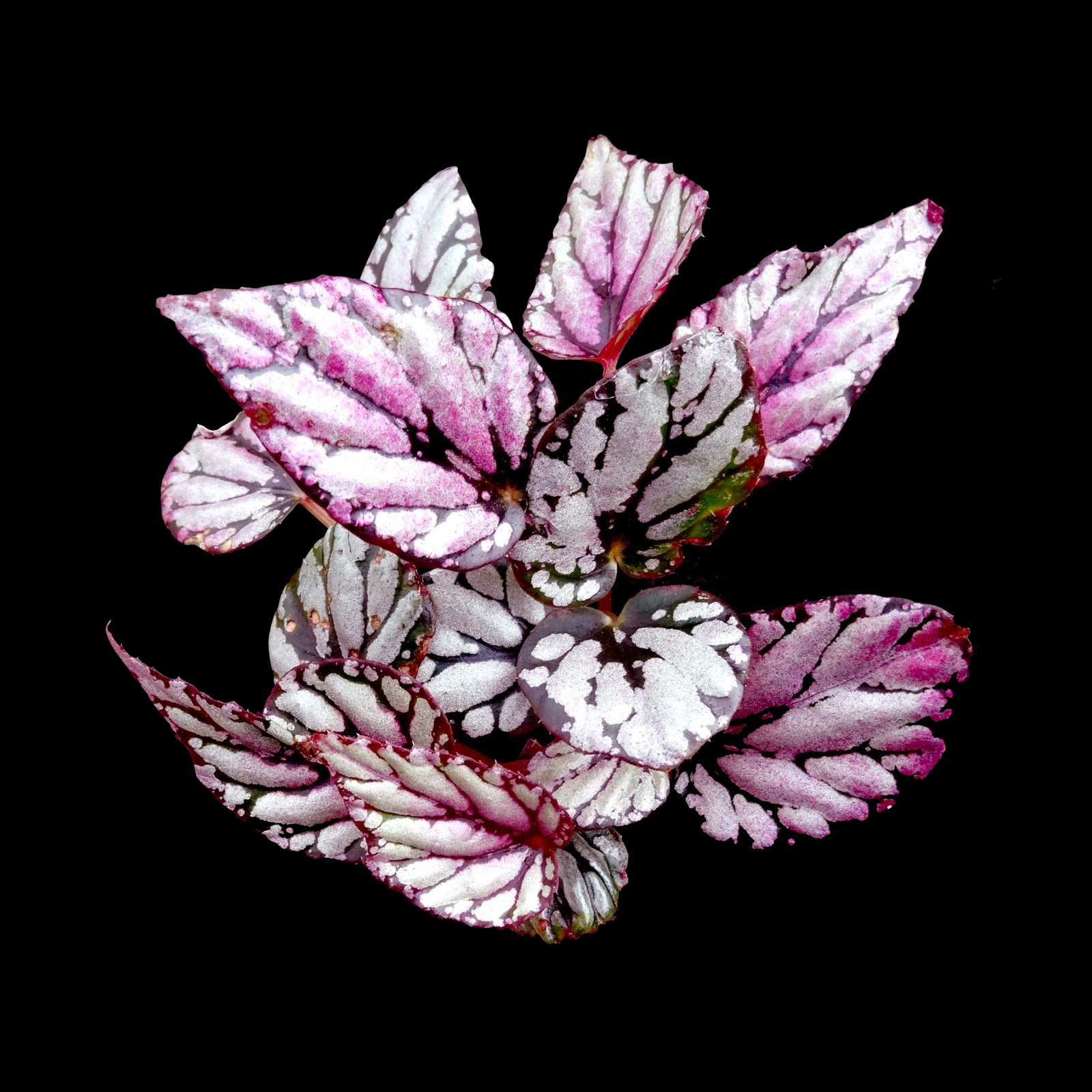
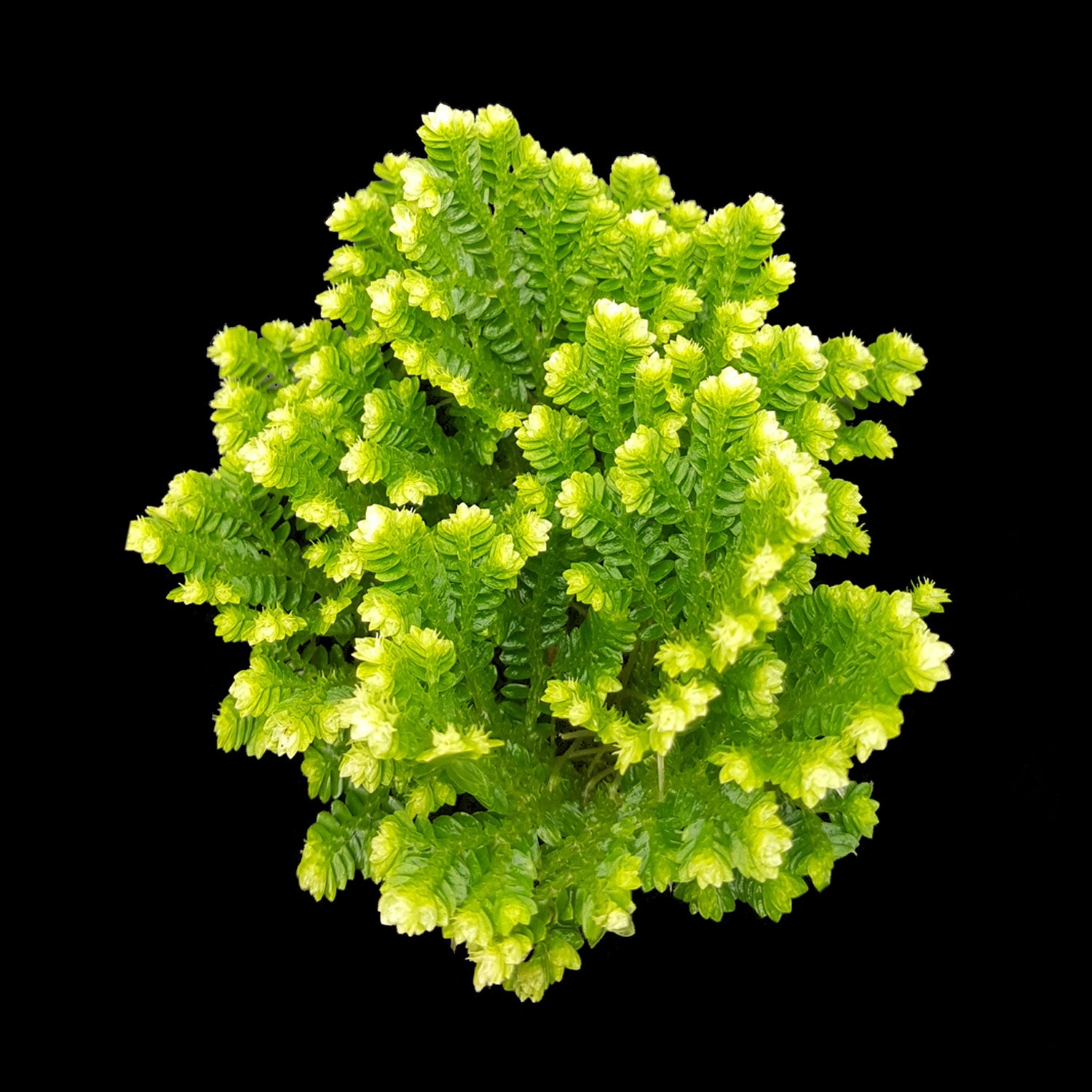
Plants such as Fittonia and Selaginella tolerate constant moisture and high humidity. Others, including many Begonias and jewel orchids, prefer humidity but still require some airflow.
For example:
- Fittonia ‘Tiger’ tolerates constant humidity but declines quickly if conditions fluctuate
- Selaginella uncinata (Peacock Moss) requires consistently moist conditions and does not tolerate drying
- Begonia ‘Hugh McLaughlin’ prefers humidity but requires airflow to avoid rot
When plants with different requirements are combined, it becomes difficult to maintain conditions that suit all of them.
For plant-specific guidance, see:
The Role of the Growing Medium
The structure of the growing medium determines how long moisture is retained.
Dense, compacted mixes hold water for extended periods and reduce airflow around the roots. Over time, this creates conditions that favour rot.
Lighter, more open mixes allow excess moisture to move away from the root zone while still maintaining overall humidity.
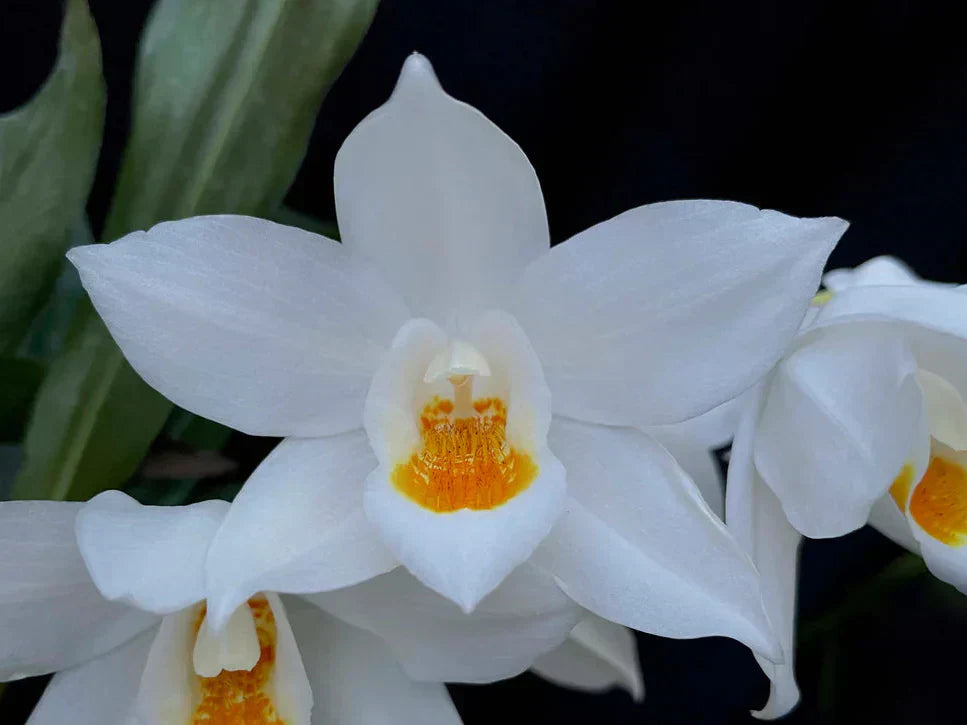
This is particularly important for plants such as jewel orchids, which require moisture but are sensitive to stagnant conditions. In dense mixes, these plants often decline despite adequate watering.
For example, Macodes petola performs best in a structured, open mix that retains moisture without becoming compacted or airless.
For more detail, see:
Signs of Rot
Rot often develops below the surface before it becomes visible.
- Soft or collapsing stems at the base
- Darkening or discolouration near the soil line
- Sudden decline despite adequate moisture
By the time these symptoms appear, the conditions that caused them have usually been present for some time.
How to Prevent Rot
Preventing rot is not about eliminating moisture, but managing it correctly.
- Use plants with similar environmental requirements
- Match plant choice to environment rather than forcing unsuitable plants into enclosed systems
- Use moisture-tolerant plants such as Fittonia or Selaginella in fully enclosed setups
- Avoid adding water unless the system has begun to dry
- Use a well-structured growing medium
- Allow for some airflow where required
In many cases, less intervention leads to more stable conditions.
A Balanced System
A successful terrarium is not one that is constantly adjusted, but one that reaches balance.
When moisture, airflow, and plant selection are aligned, the system stabilises and requires minimal input. When they are not, problems such as rot emerge quickly.
Summary
Rot in terrariums is rarely caused by a single factor.
It is the result of excess moisture, limited airflow, and incompatible plant selection working together. Addressing one without the others often leads to repeated issues.
Understanding how these elements interact is the key to building a stable system.
For a broader guide to plant selection and setup, see Indoor Terrarium Plants for Beginners.