Understanding Browning in Calathea and Maranta
Browning of leaf edges or tips is one of the most common issues in Calathea and Maranta. Unlike curling, which is often an early response, browning indicates that stress has been present for some time.
It is typically caused by a combination of environmental factors rather than a single issue.
Low or Fluctuating Humidity
Calathea and Maranta are adapted to consistently humid environments. When humidity drops, or fluctuates frequently, leaf edges begin to dry and brown.
This is most visible on thinner or patterned foliage, where moisture loss occurs more rapidly.
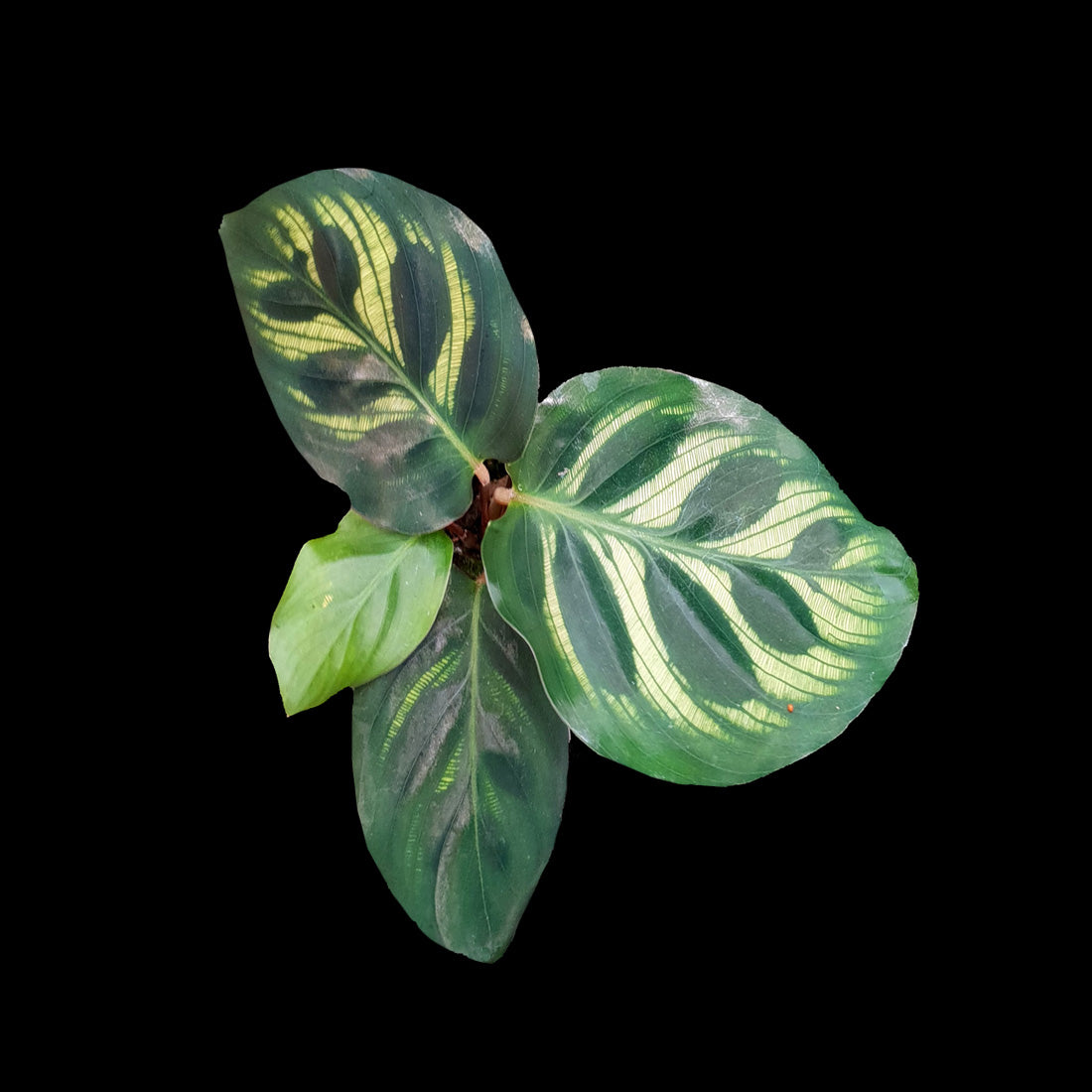
Plants such as Calathea makoyana often show this clearly, with fine leaf edges browning first under dry indoor conditions.
Water Quality
Water quality is a frequently overlooked cause of browning.
These plants can be sensitive to dissolved minerals and treatment chemicals commonly found in tap water. Over time, these accumulate in the growing medium and are expressed through leaf damage.
Symptoms often appear as crisp brown tips while the rest of the leaf remains healthy.
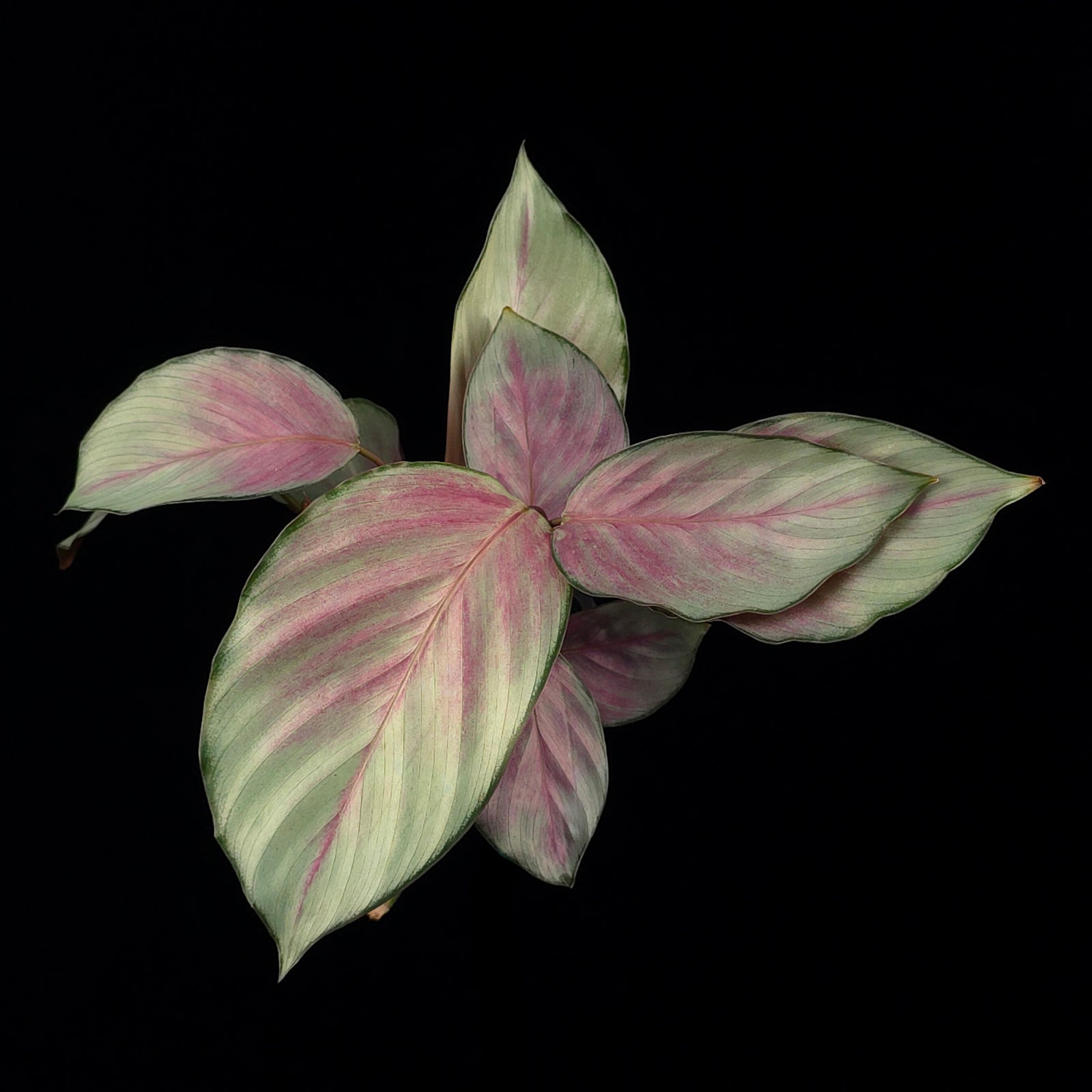
Patterned forms such as Calathea roseopicta ‘Silver Plate’ can be particularly responsive to this.
Inconsistent Watering
Allowing the growing medium to dry too far, followed by heavy watering, places the plant under repeated stress.
This cycle damages fine roots and leads to progressive browning of the foliage.
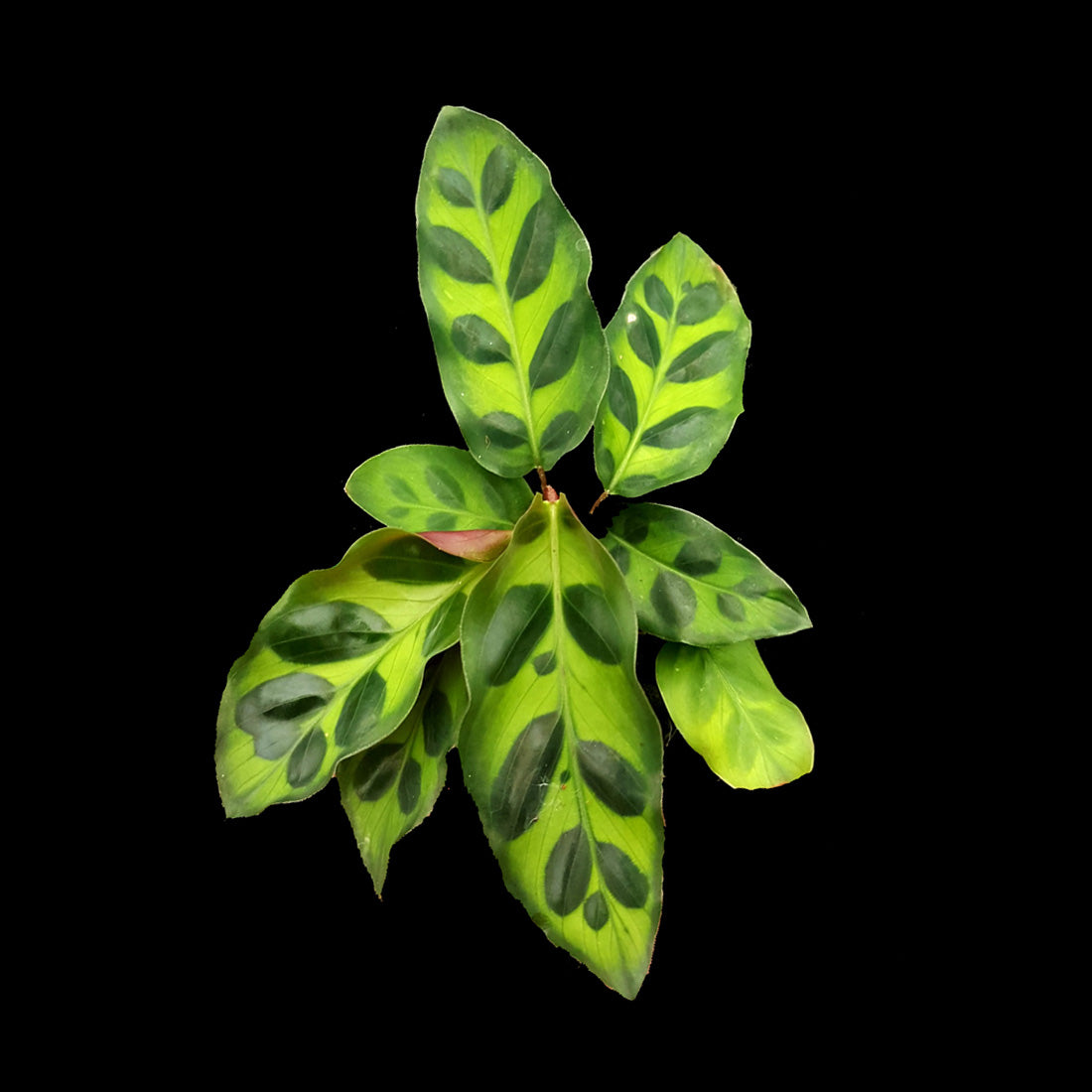
Plants such as Calathea insignis (Rattlesnake Plant) often show this through browning along the leaf margins.
Excess Moisture and Root Stress
While drying can cause browning, so can excess moisture.
In poorly drained or compacted growing media, roots remain wet for extended periods. This reduces their ability to function and leads to gradual decline in leaf quality.
Species such as Calathea crocata may show browning alongside general decline when root stress is present.
Airflow and Environmental Stability
These plants require stable conditions. Poor airflow combined with high humidity can lead to ongoing stress, while overly dry environments accelerate moisture loss.
The goal is not maximum humidity, but consistency.
For a broader look at indoor environments and plant selection, see Indoor Terrarium Plants for Beginners.
How to Reduce Browning
Reducing browning involves stabilising conditions rather than making extreme adjustments.
- Maintain consistent moisture without drying or saturation
- Use stable humidity rather than short-term increases
- Review water quality if browning persists
- Ensure the growing medium remains open and well-draining
Once conditions are corrected, new growth will reflect improvement. Existing damage will not reverse.
Summary
Browning in Calathea and Maranta is a cumulative response to stress.
Humidity, watering, water quality, and root conditions all contribute. Addressing these together is the most effective way to prevent further decline.
For full care guidance, see the Calathea & Maranta Care Guide.