Understanding Browning in Indoor Ferns
Browning is one of the most common problems seen in indoor ferns. It usually begins at the tips or edges of the fronds, but over time it can affect entire leaves and reduce the quality of the plant overall.
In most cases, browning is not caused by a single event. It is the result of stress building over time through dry air, inconsistent moisture, unsuitable light, or fluctuating temperatures.
Dry Air Is the Most Common Cause
Most ferns are adapted to environments with stable humidity. Indoors, particularly in heated or air-conditioned rooms, the air is often much drier than they are suited to.
As humidity drops, the fronds lose moisture faster than the plant can replace it. The first visible sign is usually browning at the tips or margins.
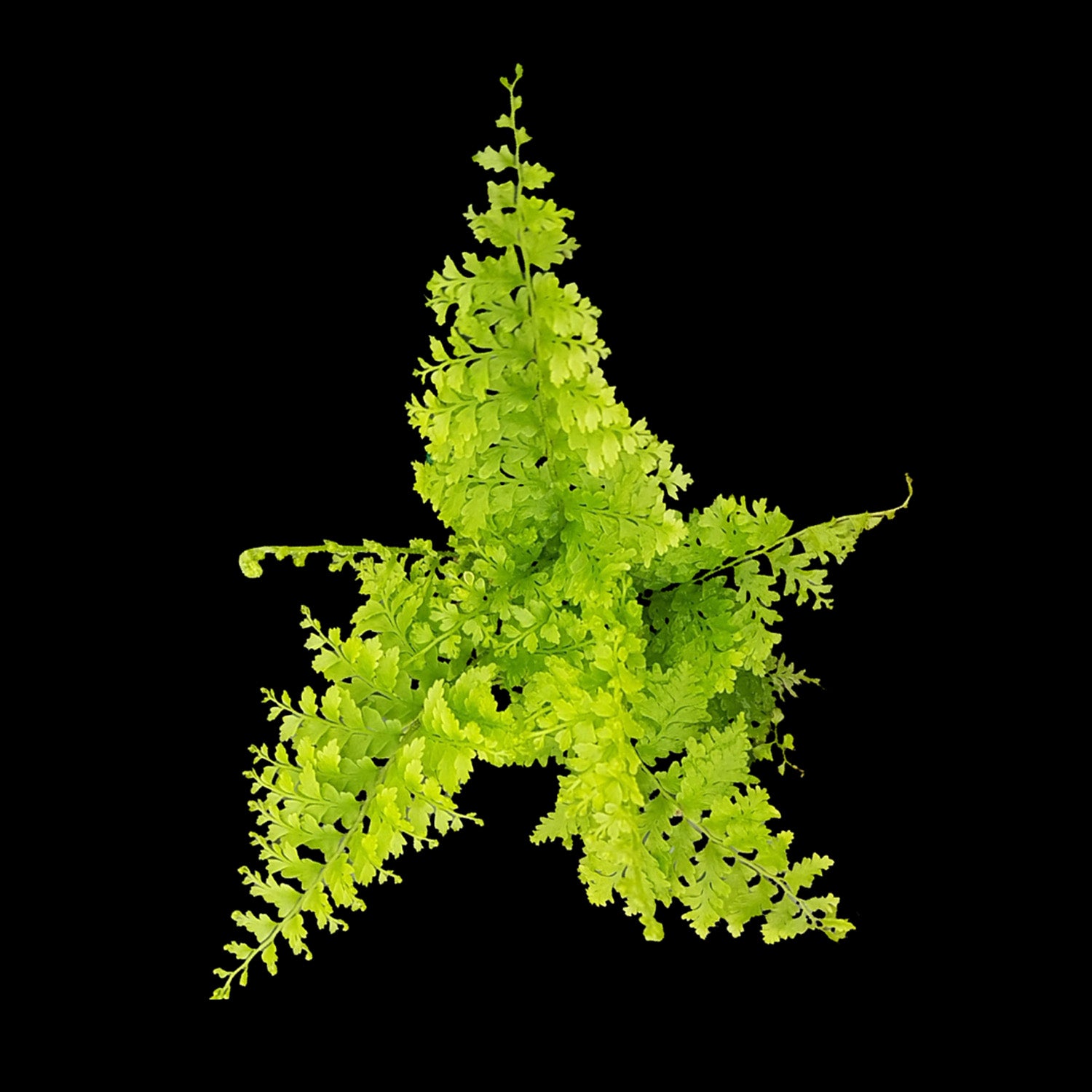
This is especially noticeable in finer-textured ferns such as Nephrolepis exaltata ‘Cotton Candy’, where soft foliage responds quickly to dry air.
Inconsistent Watering
Ferns require even moisture. When the growing medium dries too far, even briefly, the fronds begin to desiccate. Once this damage appears, it will not reverse.
Repeated cycles of drying and rewatering are particularly damaging. The plant may survive, but the foliage quality declines steadily.
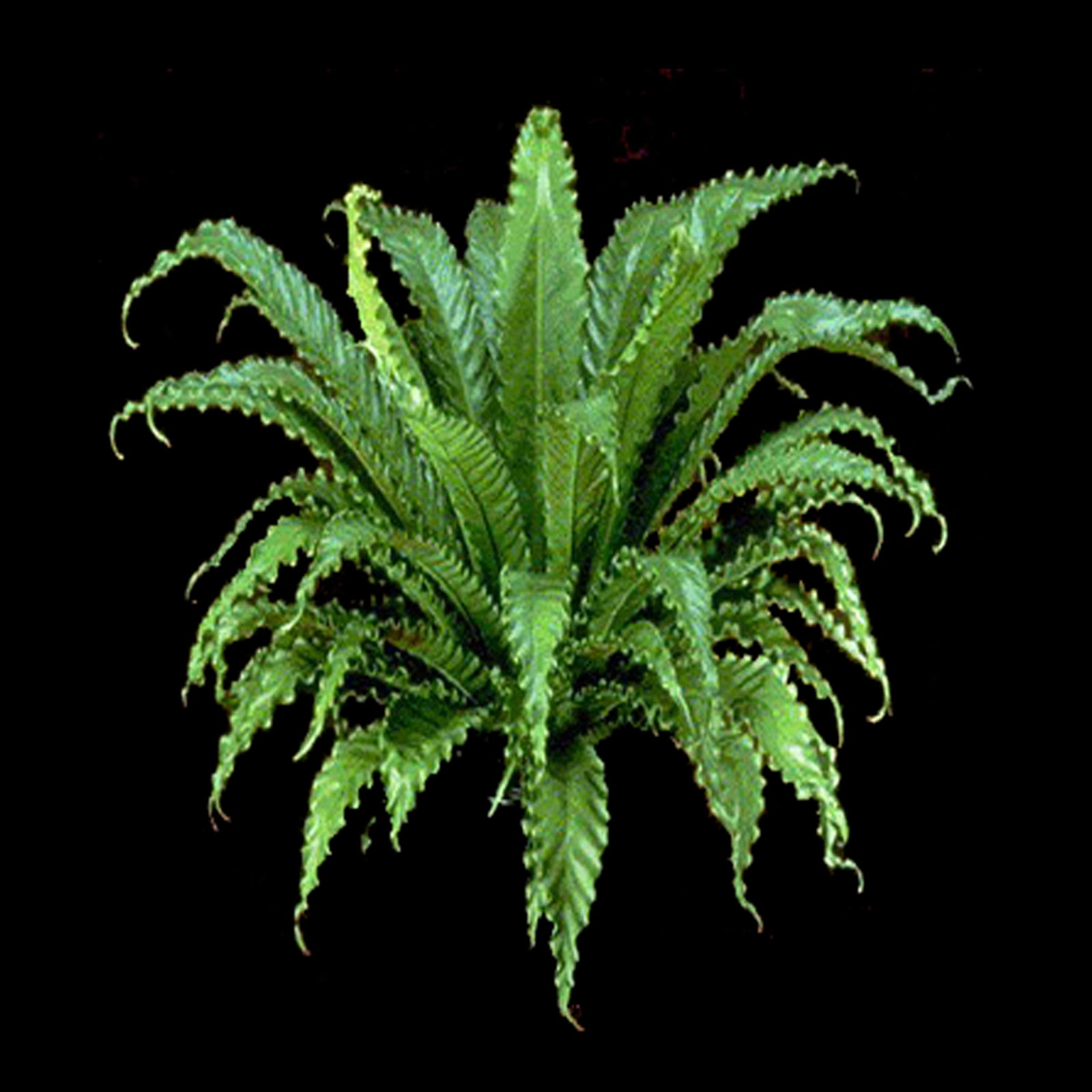
Species such as Asplenium antiquum ‘Victoria’ often show this through browning along the edges of otherwise healthy fronds.
At the other extreme, constantly wet conditions can also lead to browning by damaging the roots and reducing their ability to take up water properly.
Light Stress
Too much direct light causes ferns to dry more quickly and increases stress across the foliage.
While ferns need light to grow well, it should be filtered or indirect. Harsh sun often leads to bleaching, scorching, and browning, especially on softer fronds.
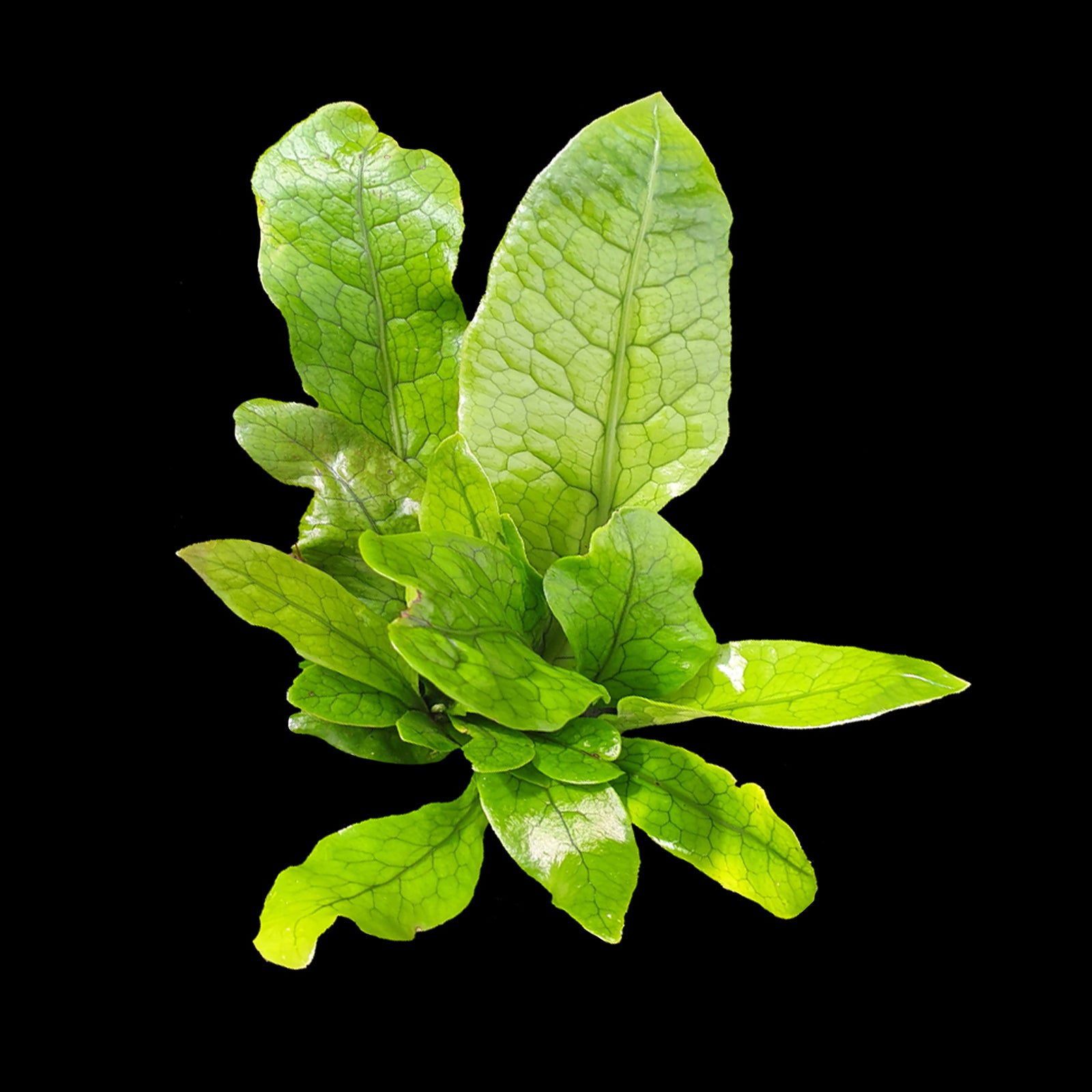
Broader-leaved ferns such as Microsorum musifolium ‘Crocodyllus’ can show patchy browning when exposed to excessive light.
Temperature and Air Movement
Ferns prefer stable conditions. Exposure to heaters, cooling vents, or cold drafts often leads to browning because the plant is subjected to repeated shifts in temperature and moisture loss.
Good air movement is useful, but forced air from climate control systems is often damaging.
Epiphytic and semi-epiphytic ferns such as Phlebodium aureum (Blue Star Fern) are particularly sensitive to this imbalance.
Old Fronds and Natural Ageing
Not all browning is a sign of poor care.
Older fronds naturally age and are replaced over time. This tends to affect the oldest growth first, while the newer fronds remain healthy.
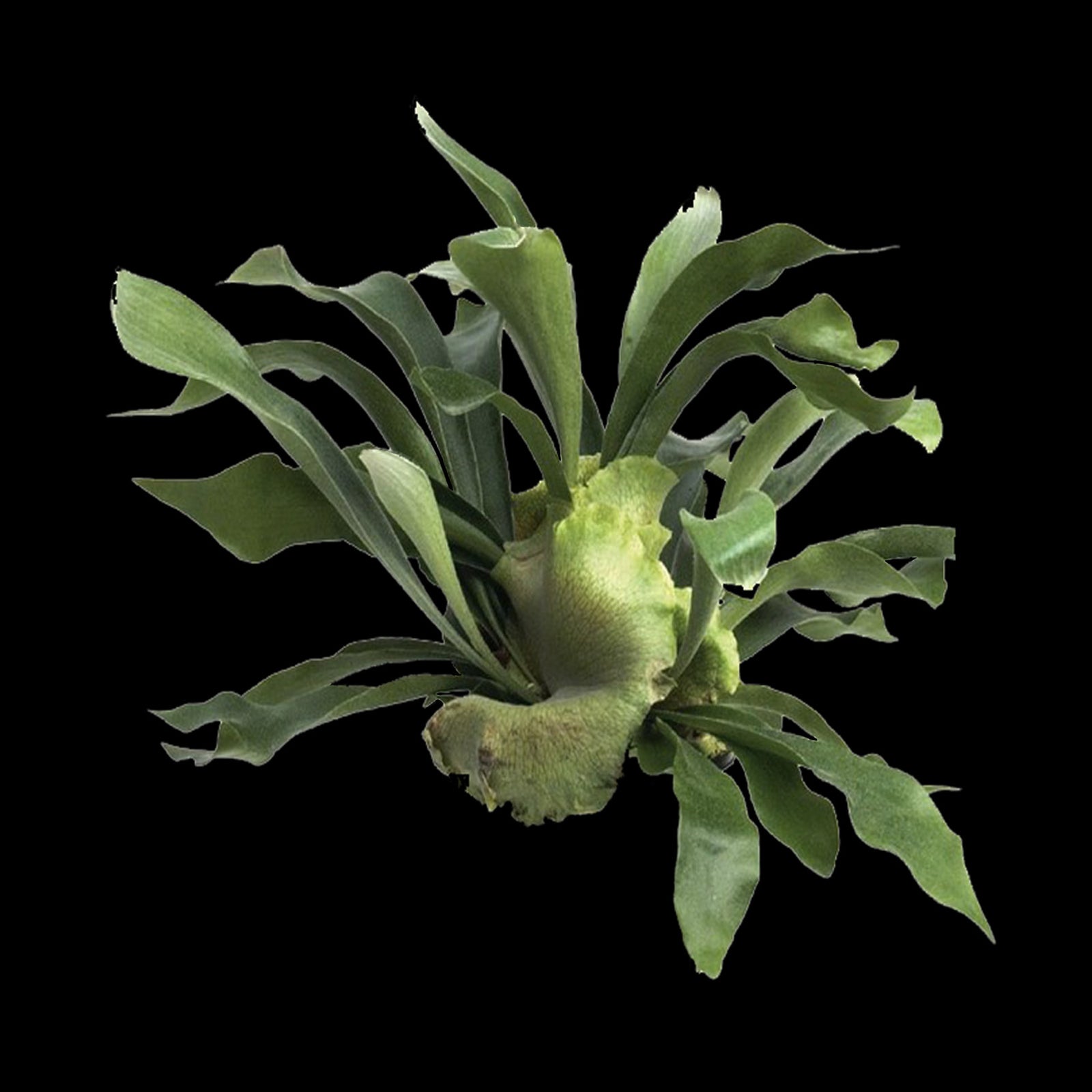
In species such as Platycerium bifurcatum ‘Netherland’, older shield fronds will naturally brown as part of their lifecycle.
How to Reduce Browning
Reducing browning is mainly a matter of improving consistency.
- Keep the growing medium evenly moist
- Maintain stable humidity
- Avoid direct sun on delicate fronds
- Keep plants away from heaters, cooling vents, and cold drafts
- Remove old fronds as they age naturally
New growth will show whether conditions have improved. Existing brown areas will not recover.
Summary
Browning in indoor ferns is usually the result of accumulated stress rather than a single mistake.
Humidity, watering, light, and temperature all play a part. When those conditions are stabilised, ferns usually respond well and produce cleaner, healthier growth.
For general growing conditions, see our Fern Care Guide.