Terrariums are often presented as decorative projects, but their success depends less on arrangement and more on plant selection.
Not all indoor plants are suited to enclosed or high-humidity environments. Those that perform well tend to share a similar origin: low-growing species adapted to stable moisture, filtered light, and sheltered conditions.
Understanding this is the difference between a terrarium that stabilises and one that declines.
What Makes a Plant Suitable for a Terrarium
Plants that perform reliably in terrariums tend to share a few characteristics:
- They tolerate or prefer high humidity
- They grow close to the surface rather than upright
- They respond well to stable, consistent moisture
- They do not require strong airflow to remain healthy
These are not general indoor plants. They are plants that are specifically suited to controlled environments.
Three Reliable Terrarium Plants
While there are many options, a small group of plants consistently perform well and are suitable starting points.
Fittonia
Fittonia is one of the most widely used terrarium plants. Its low, spreading growth and tolerance of high humidity make it well suited to enclosed conditions.
In open air, it often struggles due to moisture instability. In a terrarium, where humidity remains constant, it becomes far more reliable.
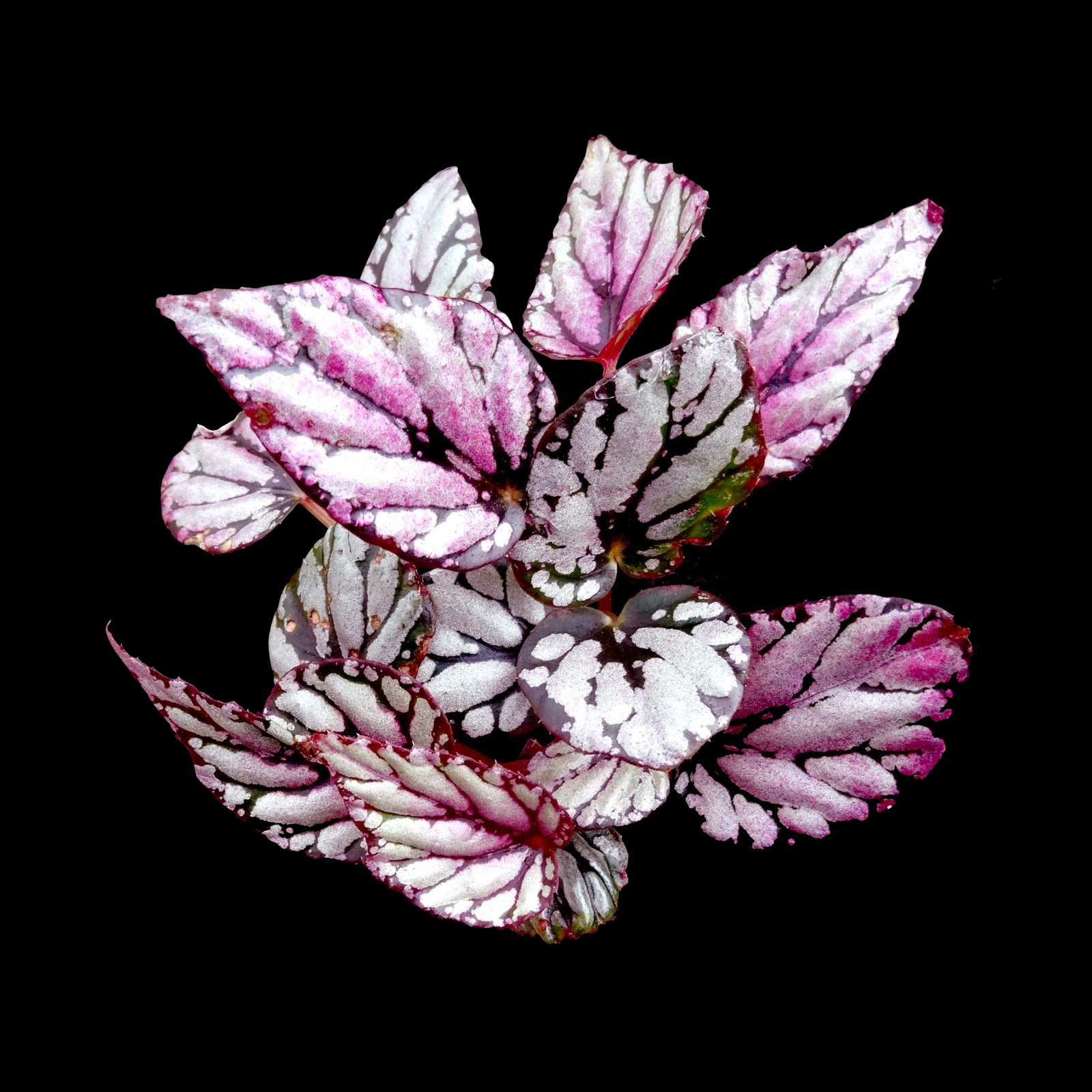
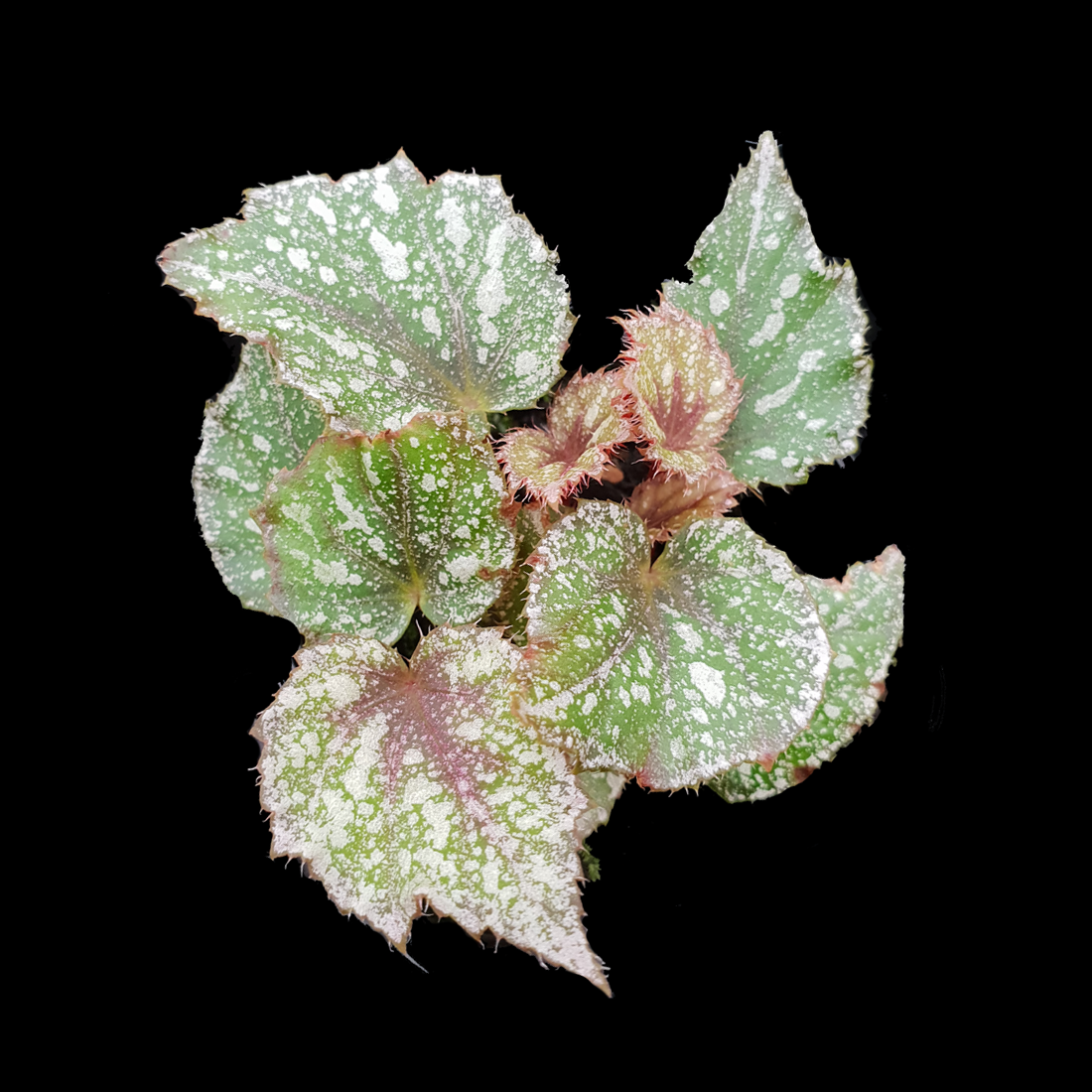
Begonia (Rex & Rhizomatous Types)
Rex and rhizomatous Begonias offer strong foliage colour and pattern. They perform well in humid environments, provided there is some airflow.
Unlike fully enclosed systems, they are often better suited to open terrariums or controlled indoor setups.
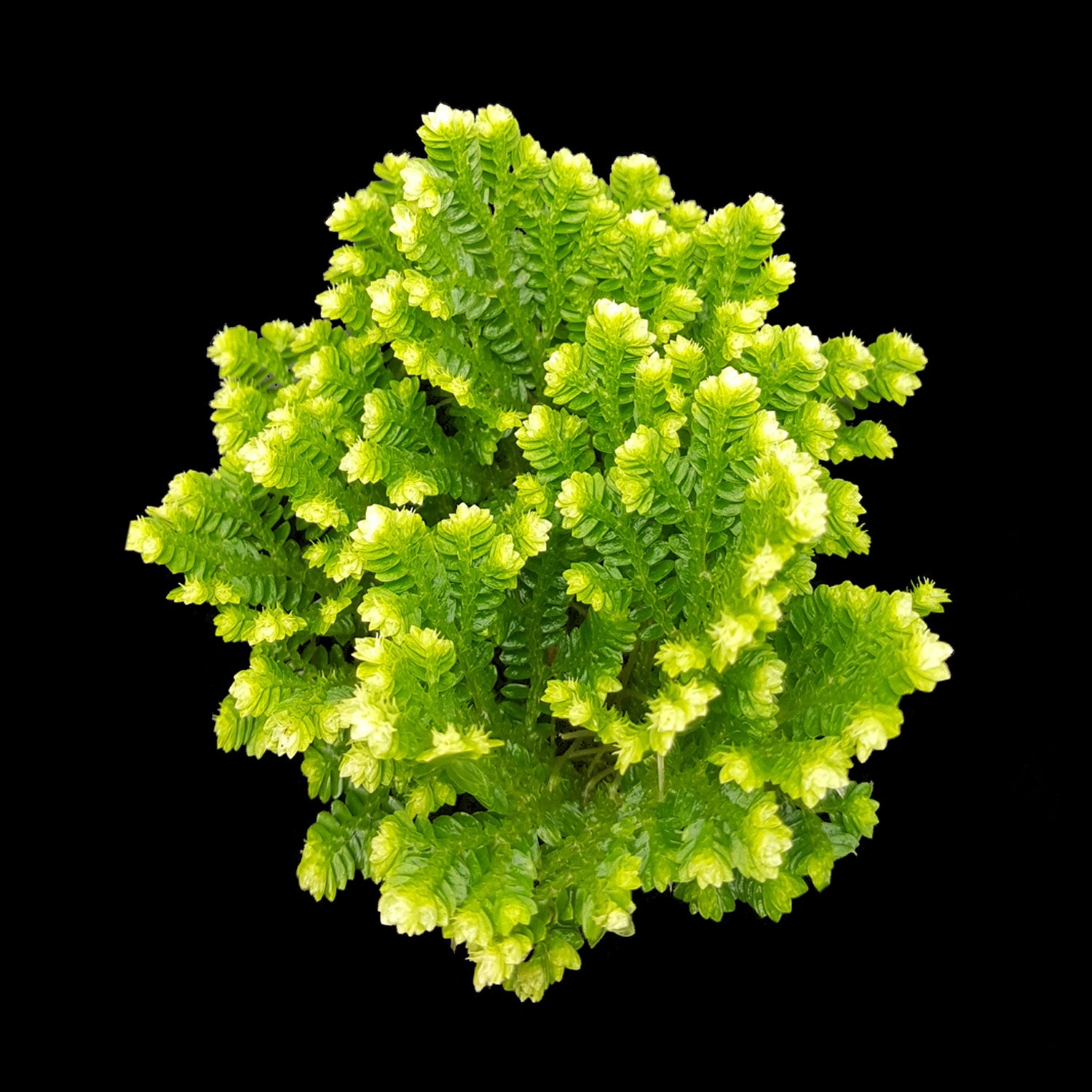
Selaginella
Selaginella is one of the most moisture-dependent plants used indoors. It forms dense, carpet-like growth and performs best where both soil moisture and humidity remain constant.
It is less tolerant of drying than most plants, making it particularly suited to enclosed environments.
Open vs Closed Terrariums
The structure of the terrarium affects how plants behave.
Closed terrariums retain humidity and reduce moisture loss. These are suitable for highly moisture-dependent plants such as Selaginella and Fittonia.
Open terrariums allow for airflow and are better suited to plants that require humidity but are sensitive to stagnant conditions, such as many Begonias.
The choice of structure should be based on the plants, not the container.
Common Mistakes
Using unsuitable plants
Many indoor plants do not tolerate high humidity or reduced airflow. Including them often leads to decline.
Overwatering
In enclosed systems, moisture is retained for longer. Adding water too frequently can lead to stagnant conditions.
Ignoring airflow
Some plants benefit from humidity but still require air movement. Fully sealing these plants can cause problems over time.
A Practical Approach
For beginners, it is often more effective to start with a small number of compatible plants rather than a complex mixed arrangement.
Using species with similar requirements increases stability and reduces the need for ongoing adjustment.
Beyond the Basics: Jewel Orchids
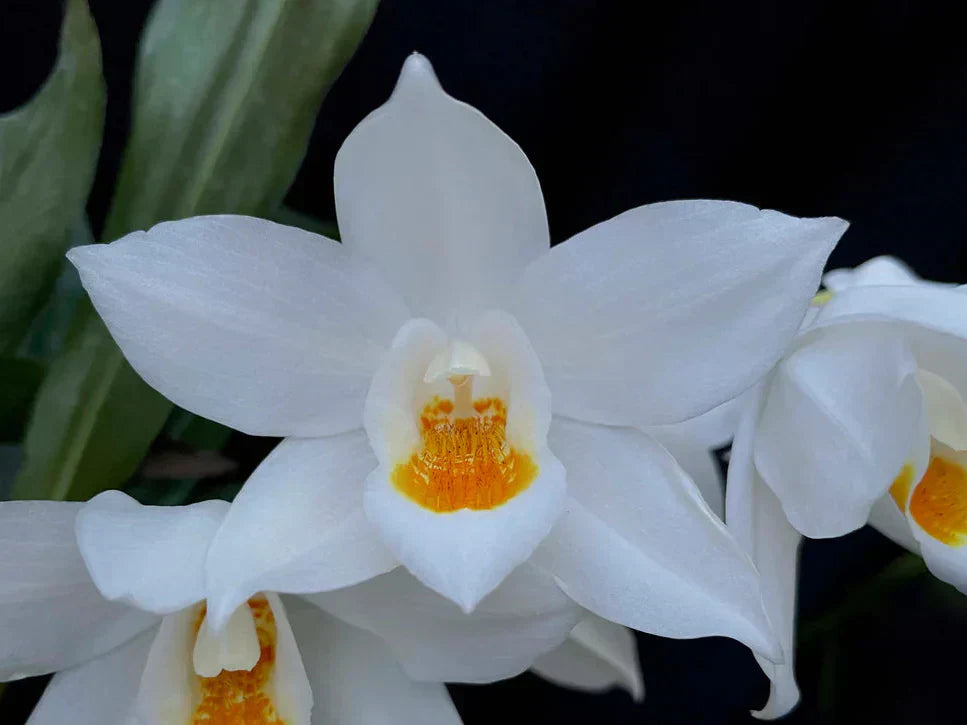
Once conditions are stable, a wider range of plants becomes viable. Among the most reliable of these are jewel orchids.
Unlike many orchids, jewel types are grown for their foliage rather than flowers. They share similar requirements to other terrarium plants: consistent moisture, high humidity, and filtered light.
In open indoor conditions, they can be inconsistent. In enclosed or controlled environments, they establish more reliably and maintain steady growth.
This makes them a natural progression once a terrarium is functioning well.
Summary
Successful terrariums are built around plant behaviour rather than appearance.
Choosing species that are naturally suited to high humidity and stable moisture allows the system to regulate itself over time. When unsuitable plants are used, or conditions fluctuate too widely, problems emerge quickly.
Understanding the relationship between plant and environment is the key to building a terrarium that lasts.